How Much Tax Do You Pay on a Second Job in the UK? BR Code Explained
Understand why a second job may use BR, how your Personal Allowance works across employment and why National Insurance needs a separate calculation.
The blog
Short essays on tax codes, pensions, redundancy and the small details that move your take home pay. No jargon, no fluff, no clickbait.

Understand why a second job may use BR, how your Personal Allowance works across employment and why National Insurance needs a separate calculation.

Compare Plan 2 and Plan 5 thresholds, annual repayment examples and write off periods without confusing payroll deductions with the total lifetime cost.

A standard £60,000 salary gives estimated take home pay of £45,357.40 before pensions and student loans. Learn why the Child Benefit charge depends on adjusted net income.

See when a £1,000 pension salary sacrifice costs £580 of take home pay, how the saving changes by tax band and what to check with payroll.

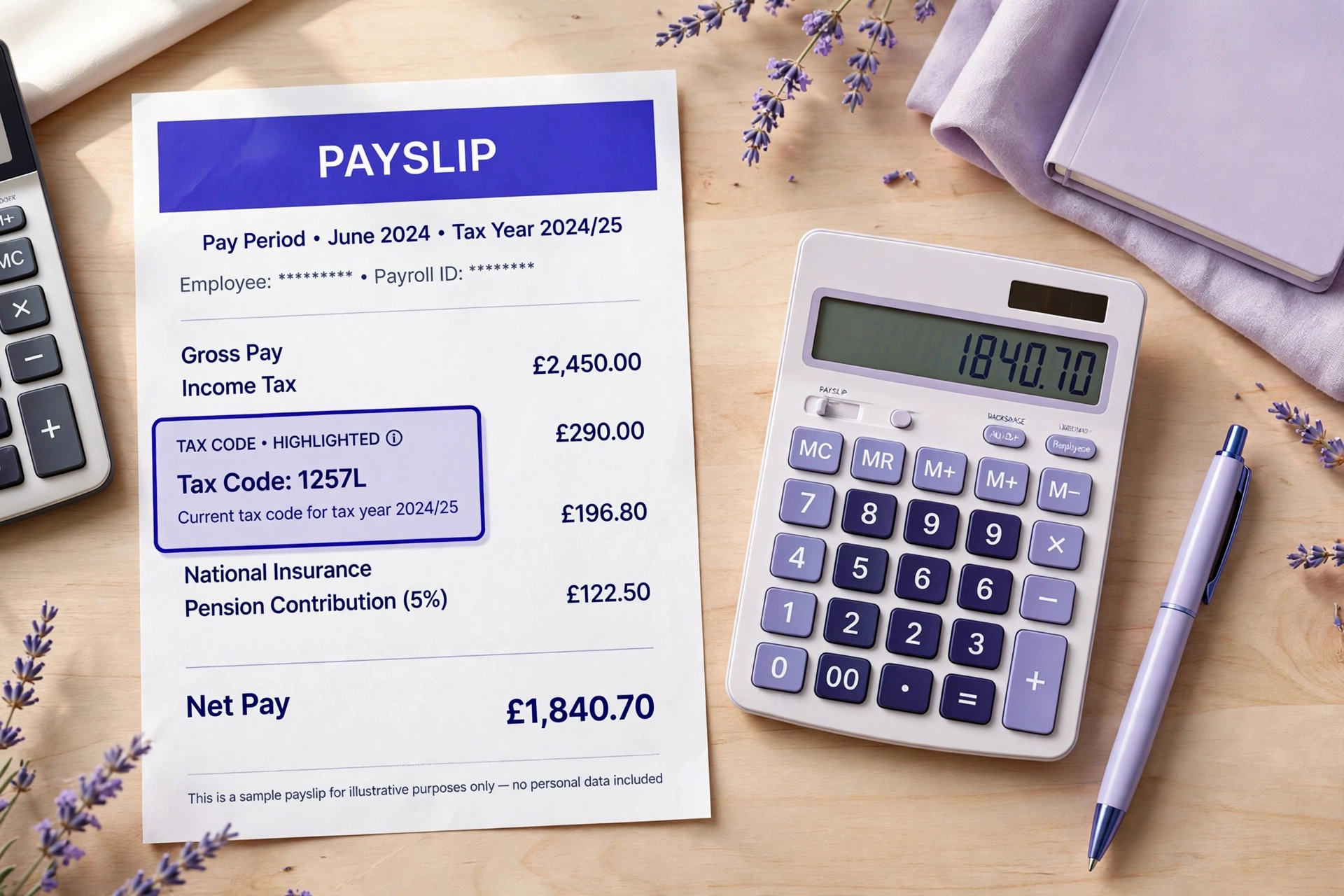
Your tax code explained for 2026/27: how to read 1257L, what BR, 0T, D0 and K codes do to your pay, why emergency codes appear, and how to fix a wrong code with HMRC.

Earnings between £100,000 and £125,140 face a 60 percent effective income tax rate because the personal allowance tapers away. Here is exactly how the taper works and how to plan around it.

A £40,000 hire costs an employer £46,262.80 before overheads once employer National Insurance and pension contributions apply. Here is the full cost build up.